Kids’ Lounges Merge Retro Tech and Playful Design
Kids’ lounges now blend retro phones, game tables, and natural materials, all wrapped in gender‑neutral design.
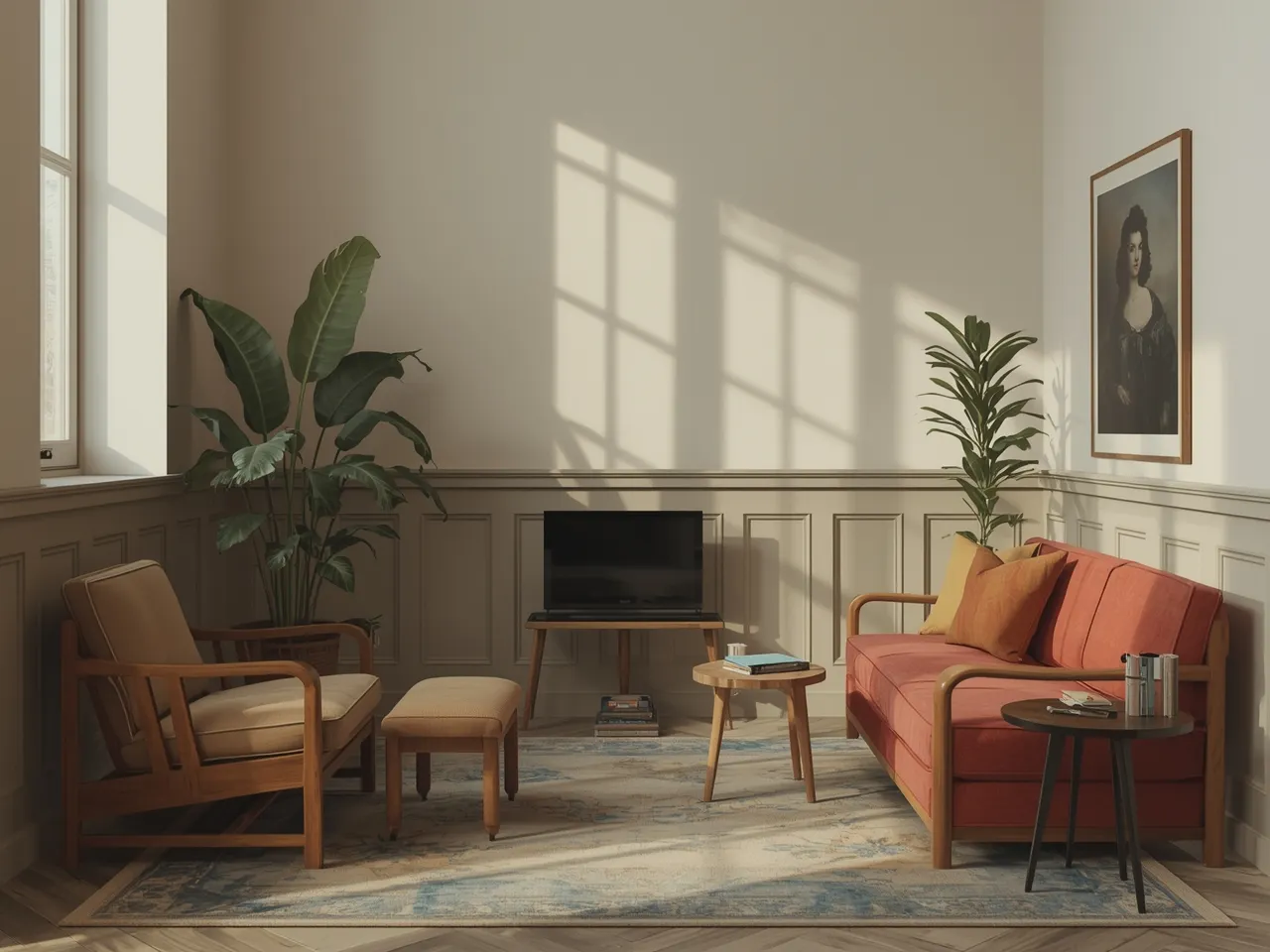
Teen lounges feature ping‑pong tables, foosball, and flexible seating that encourage real‑life interaction while also offering retro landline phones such as Tin Can’s Wi‑Fi connected corded models that are gaining popularity for kids. Designers are moving away from gendered color schemes toward neutral or personalized themes, because stain‑proof fabrics often rely on PFAS chemicals, prompting parents to choose natural fibers instead. Mini‑fridges and microwaves are common in teen lounges to support snacks and popcorn, while the slumber party room concept includes ottomans that double as storage or an impromptu bed, and patterned oil cloths provide durable, wipe‑clean floor coverings.
The result is a space that feels like a living room, a playground, and a tech hub all at once, providing families with a neutral palette that is comforting while allowing personalized touches so each child can claim a corner. The inclusion of game tables encourages spontaneous tournaments that break up screen time, while the presence of a landline phone sparks curiosity about vintage communication and bridges generations. Natural fibers on upholstery resonate with parents’ desire for healthier, low‑chemical environments, and the convenience of a mini‑fridge keeps energy drinks and fruit within reach, making snack breaks effortless. The dual‑purpose ottoman doubles as a hidden stash for board games and a makeshift bed, making the room adaptable for both storage and overnight stays.
The ping‑pong tables encourage quick matches that refresh the room’s energy, while foosball tables offer a competitive outlet that keeps children engaged for longer periods. Flexible seating allows kids to rearrange the space for group projects or solo reading, and the neutral color schemes reduce visual clutter, making it easier for children to focus on activities. Personalized themes let parents add photos or artwork, giving the lounge a unique identity while natural fibers contribute to a softer touch that reduces the harshness of synthetic fabrics. Parents appreciate the absence of PFAS chemicals, which can leach into the environment, reinforcing their preference for healthier materials.
Mini‑fridges can be stocked with healthy snacks, encouraging better eating habits during study sessions, while microwaves provide quick meal options that make the lounge a convenient spot for late‑night meals. Ottomans double as storage for blankets, games, and books, freeing up floor space, and the impromptu bed option ensures that overnight stays are comfortable and safe. Patterned oil cloths resist stains from popcorn or spilled drinks, simplifying cleanup while the durable floor covering maintains its appearance even after heavy foot traffic, allowing families to foster creativity in a relaxed setting.
The blend of retro and modern elements sparks conversations between parents and children, as the design encourages kids to take ownership of their space, boosting their confidence. Overall, the lounges reflect a shift toward child‑centric, health‑aware, and flexible living environments.