Afghanistan's Women Vanish from Public Life
Five years after the Taliban seized power, United Nations agencies said women and girls in Afghanistan have been systematically stripped of their rights.
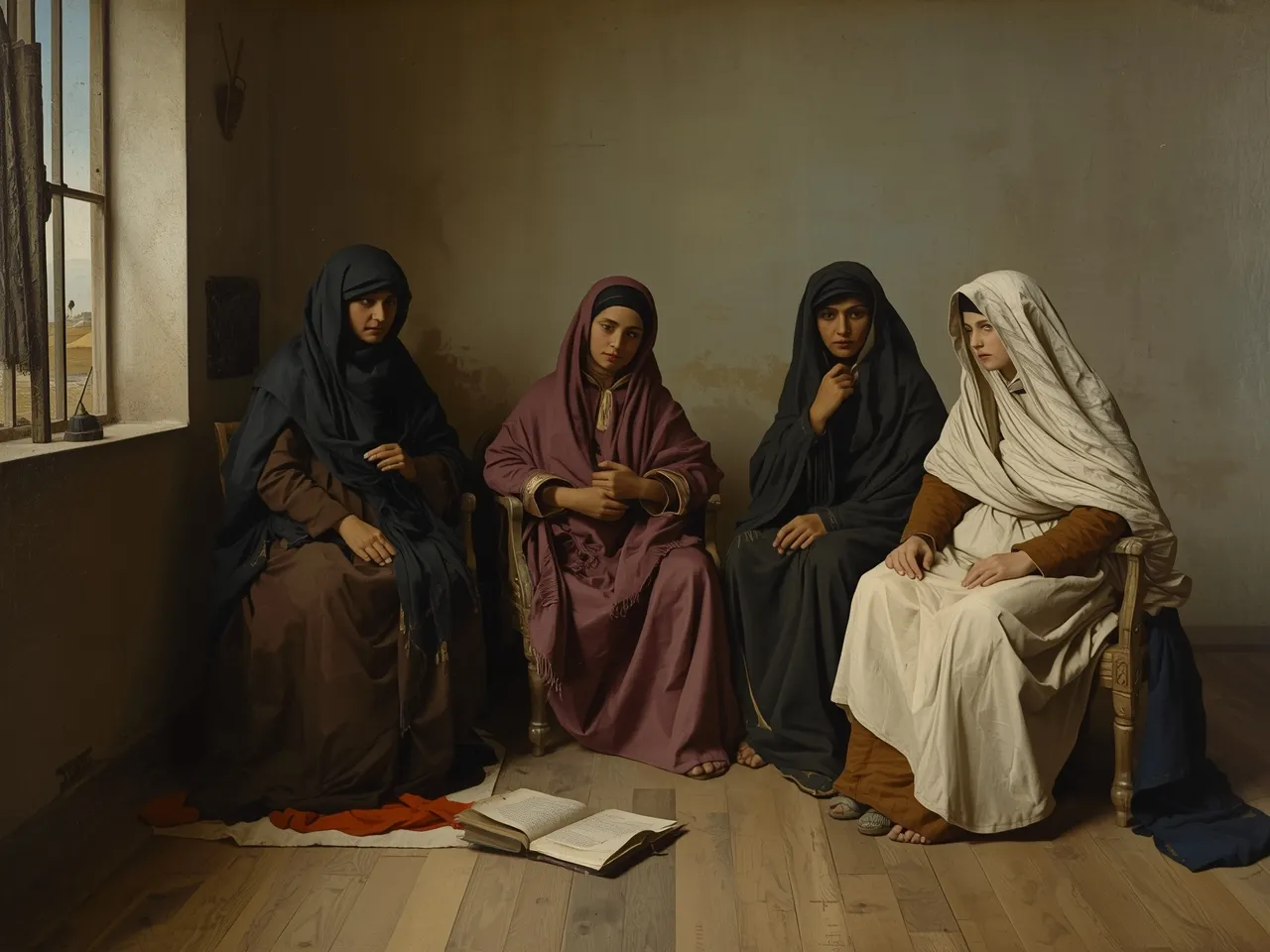
Five years after the Taliban seized power, United Nations agencies said women and girls in Afghanistan have been systematically stripped of their rights.
The de facto authorities have issued more than 100 decrees curbing education, work and freedom of movement.
United Nations agencies described Afghan women as erased from public life.
Those restrictions are now compounded by deep cuts to aid on the ground.
United Nations reporting also covers continuing restrictions on education in Afghanistan.
The shuttered room with light falling through slats feels like a relic of a time when voices could echo across streets. Inside, the silence is thick, a testament to the absence of footsteps that once carried children to school and women to markets. The air is heavy with the weight of unseen barriers, and the faint hum of distant traffic reminds what has been lost. In the dim corner, a plain pen sits on a cracked table, its smooth surface reflecting the sparse light, a quiet reminder of the words that can no longer be written in public. The absence of women in the public sphere is not just a statistic; it is a palpable emptiness that touches the corners of homes, the corridors of schools, and the quiet corners of the city. Each decree issued has carved a new boundary, one that the people of Afghanistan must navigate in silence. The compounded cuts to aid deepen the strain, leaving communities to feel the chill of isolation and the sting of limited resources. In this environment, the struggle for recognition and participation becomes an act of quiet resistance, a slow, steady push against the walls that have been erected over five years.